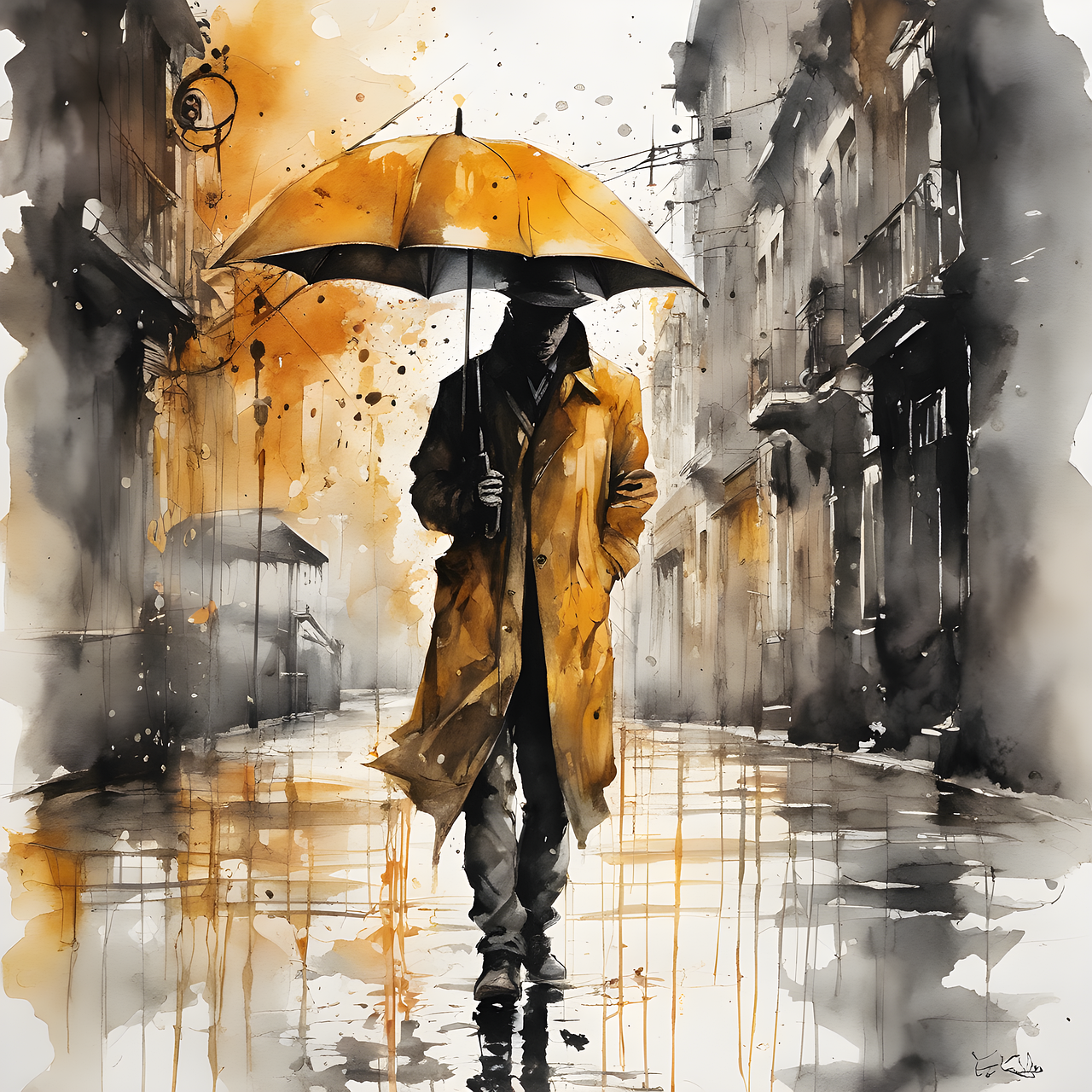
Helping students build genre awareness is one of the most powerful goals you can include in an ESL creative writing activity. When learners understand how purpose and audience shape language, they begin to write with more confidence, strategy, and control. This lesson uses a single complex photo as the foundation for multiple writing modes. It’s a flexible ESL writing lesson you can use in high school, university, or adult classrooms. It naturally supports ESL classroom activities, creative ESL prompts, ESL writing practice, and even conditional writing practice if you choose to extend it.
Why This ESL Creative Writing Activity Works
Most intermediate and advanced learners struggle with adapting their writing to different academic or real-world genres. They may write everything like a diary entry or everything like a textbook. This ESL creative writing activity helps students see, in a hands-on and low-pressure way, how the same source material transforms when the purpose changes.
The use of a single, detailed photograph, such as a crowded street scene, a family celebration, or a busy marketplace, keeps cognitive load low while maximizing creative output. Because the visual input stays the same, learners can focus deeply on word choice, text structure, tone, and rhetorical strategies rather than thinking up new content each time.
This approach also strengthens speaking, noticing, and critical thinking skills. As students move from description to narration to argumentation, they sharpen their ability to observe, imagine, justify, and reflect. These are core competencies for academic success.
Get great lessons
This ebook is positively bursting with ready-to-go lessons that require low or no prep.
Every teacher needs a set of go-to lessons taht engage and help build language and thinking skills.
Click the ebook image to learn more and buy.
ESL Creative Writing Activity Flow Using One Photo
Step 1 Brainstorm Observations from the Photo
Begin the ESL writing lesson by projecting the photo or sharing printed copies. Ask students to spend two minutes quietly listing everything they notice. Encourage sensory detail: colors, textures, sounds, light, movement, emotions, and small background elements. This stage activates vocabulary and fuels richer writing later.
Step 2 Write a Descriptive Paragraph
Guide students to create a descriptive paragraph focused on sensory language. Ask them to stay objective. No storytelling yet. For example, they might describe the smell of street food, the soft glow of neon signs, or the crowded layout of market stalls. This develops precision and sensory awareness, key components of strong ESL writing practice.
Step 3 Write a Narrative Paragraph
Next, shift the task to storytelling. Using the same photo, students invent a short scene that includes characters, setting, conflict, and a hint of resolution. Because the content stays the same, they quickly see how language changes from static description to dynamic action. This is also a great time to incorporate creative ESL prompts such as “Who just arrived?” or “What secret is someone hiding?”
Step 4 Write an Argumentative Paragraph
Now push learners into academic mode. Ask them to make a claim that uses the photo as evidence. Example prompts include:
- “Urban spaces foster community interaction.”
- “Crowded streets reduce safety.”
- “Outdoor markets strengthen local culture.”
Students then write a paragraph supporting the claim using observations from the image. This shifts their focus toward logic, reasoning, and structure. It also connects naturally to conditional writing practice, especially if they add statements like “If public spaces were redesigned, the crowd could move more safely.”
Step 5 Compare the Three Writing Modes
Have students place the three paragraphs side-by-side and discuss:
- How did purpose change the vocabulary?
- How did tone shift?
- What language features belong to each mode?
- Which mode felt easiest or hardest?
This metacognitive step builds genre awareness and makes the learning “stick.” Students finish the activity with a clear understanding of how writing transforms depending on the goal.
One Photo
Teach smarter, not harder.
One photo becomes three high-impact genres in minutes.

Optional Extension Activities for Flexible ESL Classroom Use
To build adaptability, ask students to exchange photos with a partner and repeat the activity. They instantly see how new visual stimuli force fresh descriptive, narrative, and argumentative choices. Another extension is a peer-review round where students evaluate how effectively their partners captured each genre. For speaking integration, run short oral presentations describing the shift across modes. Teachers who want deeper academic alignment can turn this into a mini-portfolio or a multi-day unit on genre, audience, and purpose.
Conclusion: A Simple Photo, a Powerful Writing Tool
This ESL creative writing activity gives learners a structured, repeatable framework to understand three major writing genres. It lowers pressure by grounding every task in the same visual anchor while raising the challenge through shifting modes. With one compelling image, you can run a full, rich ESL writing lesson that develops observation, creativity, argumentation, and flexibility. Skills every language learner needs for academic and real-world success.