If you teach learners, you know the value of quick writing activities for high beginners that help build accuracy, reinforce key grammar patterns, and strengthen student confidence. Whether you need warm-ups, fillers, or structured skill-building tasks, short writing exercises can transform an ESL writing lesson into something more engaging and purposeful. These low-prep ideas work beautifully as creative ESL prompts, writing drills, or efficient ESL classroom activities that boost learners’ grammar awareness while keeping the class moving.
Students don’t need long essays to make progress. In fact, consistent bursts of ESL writing practice, just 8 to 15 minutes, help learners internalize grammar rules, sharpen editing skills, and write with more control. Below are five refreshed writing tasks you can use in any classroom.
Why These Writing Activities for High Beginners Improve Accuracy
Many English learners struggle with the same issues for years: articles, sentence patterns, editing, and structural control. Short, repeated activities help students build intuition without overwhelming them. These tasks also promote mindful writing. Students learn to slow down, notice details, and apply grammar actively instead of guessing. This process aligns well with conditional writing practice, controlled writing drills, and fluency-building routines. The result: fewer errors, stronger confidence, and smoother progression to longer writing assignments.
Get great lessons
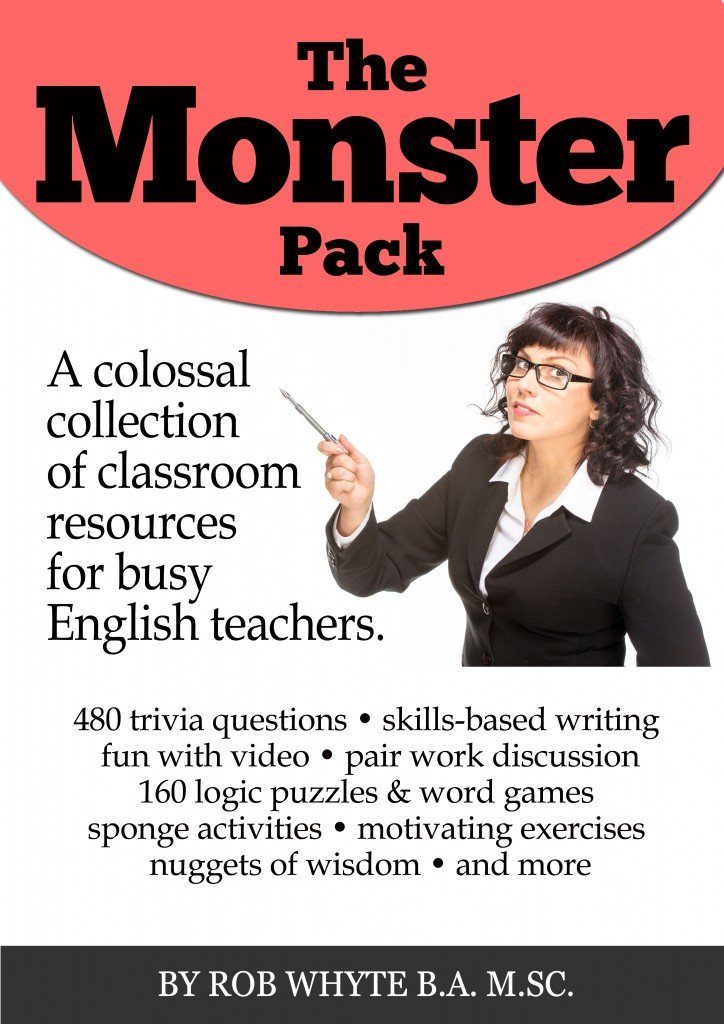
This ebook is positively bursting with ready-to-go lessons for high beginners and up, all designed for low or no prep.
Every teacher needs a set of reliable activities that engage students and build language and thinking skills.
Click the ebook image to learn more and buy.
Five Classroom-Ready Writing Activities for High Beginners
1. ESL Writing Activity: Quick Article Practice (10–15 minutes)
“A or the?” For many high beginners, articles feel like an unsolvable puzzle. Instead of teaching long rule lists, give students short practice sessions over time.
Provide a worksheet with sentences missing articles. Ask students to fill in the gaps, compare answers with a partner, and then check the answer page. This trains learners to notice patterns naturally and helps them internalize the use of definite and indefinite articles.
2. More Article Practice for Reinforcement (10–15 minutes)
Once high beginner students gain momentum, they often want extra practice. A second set of article-focused questions gives them the repetition they need.
Offer a new worksheet with examples using everyday objects, people, and places. Repetition builds confidence and cements the article system more effectively than a single long lesson.
3. Creative ESL Prompt: Editing for Accuracy (8–12 minutes)
Editing activities offer one of the fastest paths to better writing.
Give students three short paragraphs containing realistic learner errors. Ask them to identify mistakes, correct them, and explain why their revision improves clarity. This develops awareness, precision, and mindful writing habits that carry over into all future assignments.
4. Writing Practice: Build Better Complex Sentences (8–12 minutes)
Students often struggle to express more complex ideas because they lack sentence variety. Start with a quick review of subordinators and dependent clause structures. Then provide practice tasks requiring students to combine simple ideas into well-formed complex sentences. This builds academic writing competence and improves clarity.
5. Creative Writing Activity: Appositive Sentences for Style (10–12 minutes)
Appositives help students add rich detail without creating bulky relative clauses. Provide a worksheet with model sentences and guided prompts. Students transform simple statements by inserting appositive phrases. This improves sentence fluency, style, and compact expression, skills important for academic and professional writing.
Optional Extensions for More Writing Practice
If you have extra time or want longer lessons, try expanding the writing activities for high beginners with optional extensions: a sentence expansion challenge requiring students to add an appositive, a subordinate clause, and a descriptive phrase; a peer-editing carousel focused on specific features such as articles or punctuation; conditional writing prompts using “What would happen if…?” to blend creativity with grammar control; a timed 60-word micro-story using at least one complex sentence and one appositive; or a dictation-to-revision task in which students transcribe a paragraph and then improve its clarity. These extensions reinforce accuracy while promoting creativity.
Conclusion: Small Writing Tasks Lead to Big Growth
Well-chosen ESL writing activities for high beginners don’t need to be complicated to be effective. Short, focused tasks help learners internalize grammar rules, develop confidence, and build real writing habits. With consistent practice, just 10 minutes at a time, students produce clearer, more accurate writing. These flexible warm-ups fit any syllabus, support any level, and give teachers reliable tools that work again and again.
With these high-beginner writing activities in your toolkit, you’ll boost student confidence, build clear sentence skills, and keep every class engaged without extra prep.