
Many teachers search for an ESL creative writing activity that improves fluency, builds confidence, and leads to stronger writing skills. This guided routine, inspired by the work of Paul Nation, transforms quick speaking rounds into a polished written paragraph. It works well with mixed-level groups and fits seamlessly into many ESL classroom activities, especially when the goal is to warm up students, activate vocabulary, and prepare them for structured ESL writing practice.
Why This ESL Creative Writing Activity Works
This routine prioritizes fluency over accuracy, reducing students’ fear of writing. When learners speak first, they organize ideas in real time and experiment with vocabulary. The activity also supports natural scaffolding: students start with rough ideas, refine them through repetition, and later shape them into clear written sentences.
Because the task starts orally, it encourages creativity without the pressure of grammar perfection. Students focus on meaning, voice, and flow. When they finally write, their ideas are already structured, which strengthens organization and coherence. This makes the process ideal for an ESL writing lesson based on storytelling, personal response, or conditional writing practice.
Awesome lessons ready to go
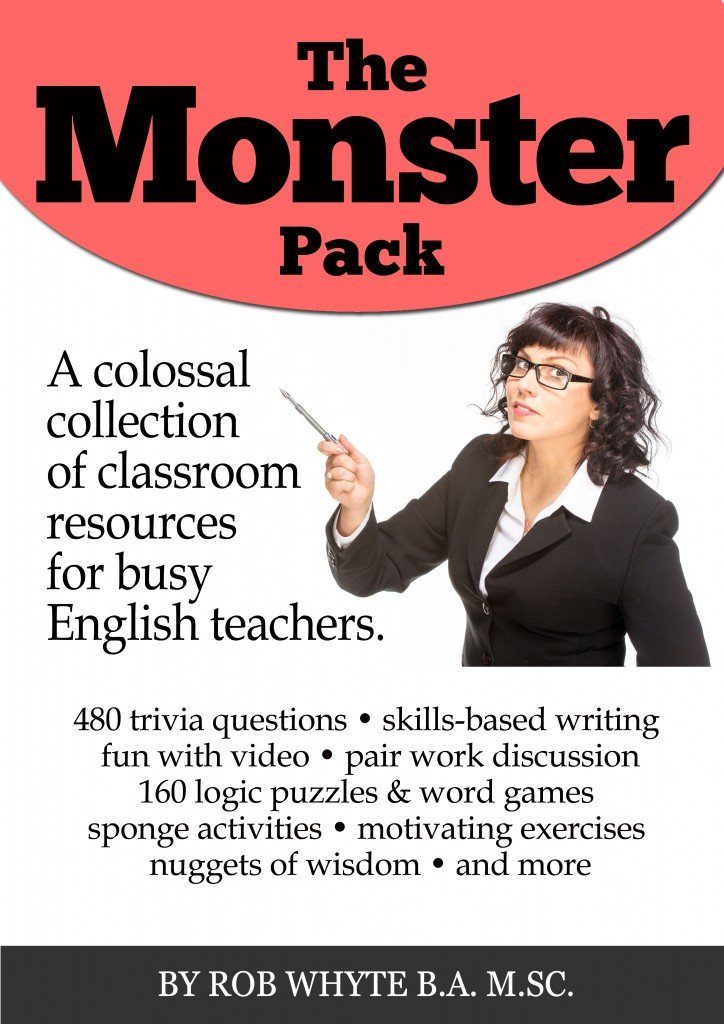
This ebook is packed with ready‑to‑use lessons that demand little to no prep, saving you valuable time while keeping students energized and engaged.
Every teacher deserves a reliable toolkit of go‑to activities that spark curiosity, strengthen language, and sharpen thinking skills—all in one place.
👉 Click the ebook image to explore and grab your copy today!
Step-by-Step ESL Writing Lesson Flow
Step 1: Introduce the Topic
Choose a simple but open-ended prompt. Creative ESL prompts such as “A place that surprises me,” “A problem that turns into something good,” or “If I found a mysterious letter…” work well. These prompts activate imagination while staying accessible for all levels.
Explain that students will speak three times on the same topic, each time improving the structure. They will later convert their best version into a paragraph.
Step 2: First Round – 3 Minutes of Speaking
Students speak for three full minutes with a partner or in small groups. The goal is idea generation only. They describe anything that comes to mind without worrying about grammar. This first round sets the foundation for fluency and confidence.
Step 3: Second Round – 1 Minute of Speaking
Students speak again, this time for one minute. They retell the same story or explanation but try to make it clearer. They reorganize details, emphasize key points, or remove unnecessary information. This round strengthens focus and organization, core elements of ESL writing practice.
Step 4: Third Round – 1 Minute of Polished Speaking
Students speak a final time, again for one minute. Now the goal is clarity. They present the most organized and coherent version of their idea. Because they have repeated the content twice, students tend to produce more accurate language naturally, even without explicit grammar instruction.
This repetition trains students to edit themselves in real time and prepares them for writing tasks with improved structure.
Step 5: Convert the Final Version into a Written Paragraph
Students write a short paragraph based on their polished one-minute version. Encourage them to use transitional phrases, clear topic sentences, and specific details. Since they have already shaped their ideas through speaking, the writing step feels natural rather than intimidating.
For higher levels, add optional constraints such as using the past tense, adding descriptive adjectives, or incorporating a conditional structure. This supports conditional writing practice while keeping creativity at the center.
Optional Extension Activities for Creative ESL Prompts
Add Peer Editing
After writing, students exchange paragraphs and give simple feedback using sentence starters such as:
- One sentence I like is…
- One area that could be clearer is…
- One detail that could be added is…
This step promotes collaboration and deeper engagement with the writing process.
Build a Class Story Wall
Turn finished paragraphs into a display. Students read each other’s work, vote on the most imaginative pieces, or group stories by theme. This transforms the routine into a community-focused ESL classroom activity.
Introduce a Conditional Twist
For classes practicing conditionals, add a final twist: students rewrite their paragraph beginning with “If…”. This shifts the narrative and introduces new grammar practice without losing creative energy.
Record Speaking Rounds
For digital classrooms, students record each speaking round. Listening back helps them notice improvements in clarity and organization. Teachers can also use recordings to support pronunciation or fluency goals.
One activity
Boost student communication skills, foster collaboration, and strengthen critical thinking.

Conclusion: A Simple but Powerful ESL Writing Lesson
This ESL creative writing activity blends fluency work with structured writing practice. Students generate ideas through fast speaking, refine them through repetition, and shape them into clear written paragraphs. The process removes pressure, builds confidence, and fits any topic or skill level. When teachers integrate creative ESL prompts and flexible extensions, the routine becomes a reliable tool for both engagement and skill development. It is an adaptable activity that strengthens fluency, creativity, and writing accuracy across many ESL classroom settings.