
Writing in English requires vocabulary fluency
Building strong writing skills requires more than grammar rules. Students also need vocabulary fluency—the ability to recall and use words quickly without relying on a dictionary. A well-chosen ESL creative writing activity can give learners the practice they need to strengthen word recall and improve written accuracy. Dictogloss is one of the most effective options. It blends listening, speaking, note-taking, and writing into a single structured ESL writing lesson, making it an ideal choice for busy teachers who want powerful, high-impact classroom results.
Dictogloss is simple, flexible, and works well for high-beginner through advanced learners. With the right setup and guidance, it becomes one of the most engaging ESL classroom activities for vocabulary development, sentence structure awareness, and overall ESL writing practice.
Dictogloss
Give students a fast, engaging way to build vocabulary fluency, sharpen listening skills, and produce more accurate writing through collaborative reconstruction.

Why Dictogloss Is an Effective ESL Creative Writing Activity
Dictogloss strengthens the skills ESL students need most: vocabulary fluency, listening precision, collaborative problem-solving, and accurate composition. Because the activity requires students to reconstruct a text from memory and notes, they must reach for words they already know, negotiate meaning with peers, and make decisions about grammar and sentence formation.
Unlike traditional dictation, which focuses on accuracy alone, dictogloss encourages deeper thinking. Students must listen for the overall meaning, capture key details quickly, and rebuild the text in their own words. This blend of comprehension and synthesis makes dictogloss a standout option among creative ESL prompts.
The activity is also adaptable. Teachers can use it to reinforce textbook readings, prepare students for writing assessments, or support conditional writing practice, narrative writing, or academic composition skills. Whether your goal is fluency, accuracy, or teamwork, dictogloss supports it.
Run a Dictogloss: Step-by-Step ESL Writing Lesson Flow
1. Choose the Right Text
Select a short passage that students have seen before.
• High beginners: 50–80 words
• Intermediate: 100–150 words
• High intermediate and advanced: 150–200+ words
A familiar text ensures that students focus on listening, note-taking, and vocabulary, and not decoding brand-new content.
2. Explain the Dictogloss Purpose and Process
Briefly introduce the activity so students understand they will listen, take notes, and reconstruct the text collaboratively. Emphasize that they should not try to write every word. Instead, they should listen for meaning.
3. First Reading: Listen Only
- Teacher reads the text aloud at a natural pace.
- Students listen without writing.
- After the reading, give them 3–5 minutes to write down key words, phrases, or ideas they remember.
4. Second Reading: Listen and Add Notes
- Teacher reads the same text again at normal speed.
- Students listen and then have another 3–5 minutes to expand their notes.
- Encourage them to jot down additional vocabulary, transitions, numbers, or specific details they recall.
5. Optional Third Reading (Recommended for High Beginners)
A third reading helps learners catch details they may have missed. After listening, they add final notes.
6. Dictogloss Group Reconstruction
Place students in pairs or small groups. Their task: combine their notes and recreate the entire passage as accurately as possible. Only one student writes, but all students discuss vocabulary choices, sentence structure, and meaning.
This step builds powerful writing and speaking skills because students negotiate word choices, test different grammar patterns, and collaborate to produce a coherent text.
7. Compare With the Original
Once time is up, provide the original passage. Students self-check for:
- accuracy of meaning
- grammar and structure
- correct vocabulary
- missing or extra details
This final comparison reinforces learning and gives students a sense of progress.
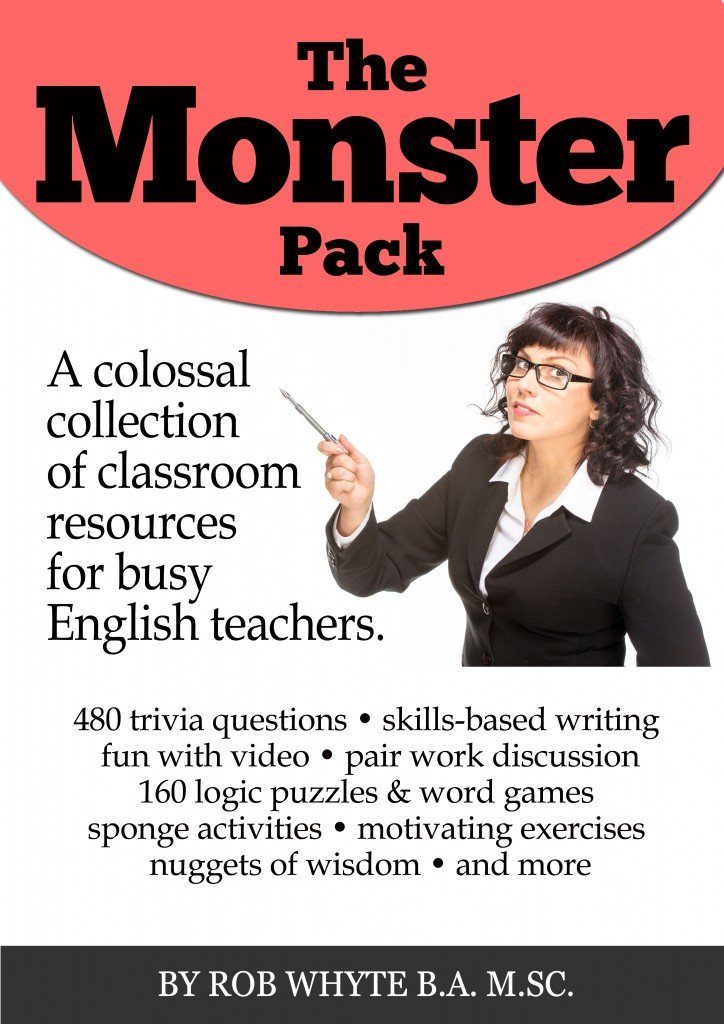
Get great lessons
This ebook is positively bursting with ready-to-go lessons that require low or no prep.
Every teacher needs a set of go-to lessons taht engage and help build language and thinking skills.
Click the ebook image to learn more and buy.
Optional Dictogloss Extension Activities
To turn dictogloss into a richer ESL creative writing activity, add one or more of the following extensions:
Rewrite the Text in a New Genre
Students transform the reconstructed passage into a short email, diary entry, or news brief.
Add Conditional Writing Practice
Have students rewrite sections using conditional forms such as:
• If I had been there, I would have…
• The story would change if…
Vocabulary Expansion Challenge
Students list 5–10 key words from the text and then create new sentences using synonyms, antonyms, or collocations.
Creative ESL Prompts
After reviewing the original text, give students a related prompt and ask them to write a short paragraph using the vocabulary they practiced.
Conclusion: A Small Activity With Big Results
Dictogloss is a compact yet powerful ESL creative writing activity that sharpens vocabulary fluency, strengthens writing accuracy, and keeps students actively engaged. With only a short text and a bit of classroom time, teachers can help learners build confidence, improve listening comprehension, and develop stronger writing habits. It deserves a permanent spot in every ESL teacher’s toolkit.